- OUR BLOG
Slim Shoe Cabinet Buying Guide: Best Storage for Narrow UK Hallways
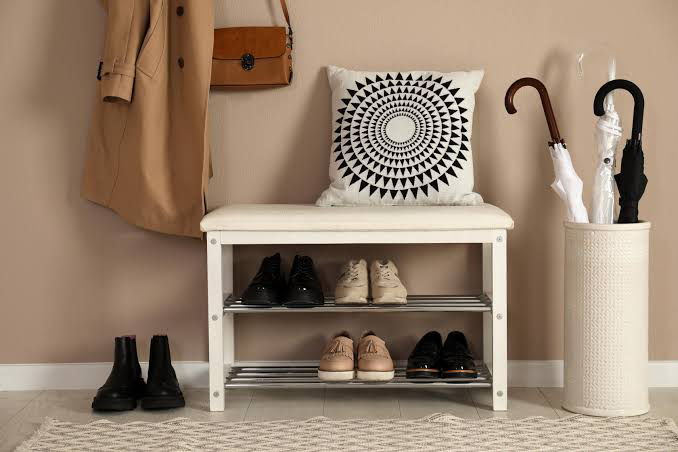
A slim shoe cabinet is typically 20β25cm deep β narrow enough to fit against a hallway wall without blocking the walkway β and stores shoes on angled or flip-down shelves that hold the shoe toe-down to save depth. For most UK hallways, a slim cabinet around 80β100cm wide holds 12β18 pairs without encroaching on door swing or walking space.
What Counts as a “Slim” Shoe Cabinet?
Standard shoe cabinets are usually 30cm or deeper to accommodate shoes stored flat. Slim or “narrow hallway” shoe cabinets drop that depth to roughly 20β25cm by using angled internal shelves that tilt shoes toe-down, or flip-down fronts that hold a single layer of shoes at an angle β the trade-off is slightly less flexibility on shoe size.
How Many Pairs of Shoes Fit in a Slim Shoe Cabinet?
| Cabinet width | Approx. shelf count | Approx. pairs stored | Best for |
|---|---|---|---|
| 40β60cm | 2β3 shelves | 6β9 pairs | Narrow hallways, 1β2 person households |
| 80β100cm | 4β5 shelves | 12β18 pairs | Most UK hallways, small families |
| 120cm+/td> | 5β6 shelves | 18β24+ pairs | Larger households, families with children |
Measuring Your Hallway Before You Buy
- Measure the hallwayβs total width at its narrowest point, including any radiator, door swing or stair newel post that interrupts the wall.
- Subtract at least 60β70cm for a comfortable single-file walkway past the cabinet.
- Check the door swing arc of your front door and any other doors leading off the hallway β a cabinet thatβs too deep can catch an opening door.
- Measure cabinet depth against the walkway clearance, not just the width against the wall.
- If the hallway is very narrow, measure for a wall-mounted slim cabinet instead of a floor-standing one, which can reclaim a few extra centimetres underneath.
Flip-Down vs Angled-Shelf Shoe Cabinets
- Flip-down front: shoes sit in an internal angled tray hidden behind a flat door panel that flips down to load and unload β tidy look, holds the shoe toe-down
- Open angled shelf: shoes sit directly on an angled, often slatted shelf, usually without a door β faster to use and better airflow, but shoes are visible
- Combination units: mix flip-down and open shelving, often with a closed cupboard section at the bottom for boots or bulkier shoes#
Do Slim Shoe Cabinets Hold Boots?
Most slim shoe cabinets are sized for everyday shoes and trainers rather than tall boots, since the angled shelving is shallow. If boot storage matters, look for a cabinet with at least one open or lower cupboard section with standard (not angled) shelf depth.
Can a Slim Shoe Cabinet Be Wall-Mounted?
Many slim and flip-down shoe cabinets are designed to be wall-mounted, which frees up floor space for cleaning and can be a good option in very narrow hallways where even 20cm of floor depth is tight.
Styling a Narrow Hallway With a Shoe Cabinet
Pair a slim shoe cabinet with a mirror above it to make the hallway feel wider, and choose a cabinet with a closed design rather than open shelving if the hallway is a main sightline from your front door, since it keeps the space looking tidy even when shoes are swapped in and out daily.
Frequently Asked Questions
Q: How deep is a slim shoe cabinet?
A: Most slim shoe cabinets designed for narrow hallways are around 20β25cm deep, compared to 30cm or more for standard shoe storage units.
Q: How many pairs of shoes does a slim shoe cabinet hold?
A: It depends on width β as a guide, an 80β100cm wide slim cabinet typically holds 12β18 pairs across 4β5 angled shelves, though this varies by shoe size and shelf design.
Q: Can a shoe cabinet fit behind a front door?
A: It depends on the doorβs swing arc and the cabinetβs depth β measure the doorβs full opening arc and compare it against the cabinetβs depth before placing it directly behind or beside the door.
Q: Are flip-down shoe cabinets harder to use than open shelves?
A: Not significantly β flip-down fronts add one extra motion (flipping the panel down) but keep shoes hidden, which many households prefer for a tidier-looking hallway.
Q: Whatβs the best shoe cabinet for a very narrow hallway?
A: A wall-mounted, flip-down slim cabinet around 20cm deep is usually the best fit for very narrow hallways, since it avoids adding floor-standing depth altogether.
Related Posts

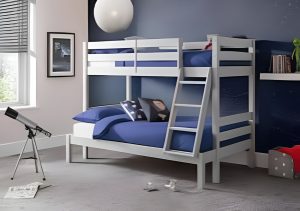
Bunk Bed vs Cabin Bed: Which Is Best for a UK Childβs Shared Bedroom?
A bunk bed stacks two full-size beds vertically to sleep two children in one footprint, while a cabin bed raises a single bed to create storage…

Sliding vs Hinged Wardrobes: Which Is Best for Small UK Bedrooms?
Sliding wardrobes are generally better for small bedrooms because their doors run along a track instead of swinging outward, saving up to a metre of floor clearance…

Corner Sofa Buying Guide: How to Choose the Right Size for a UK Living Room
To choose the right corner sofa, measure your roomβs usable floor space, subtract at least 90cm forwalkways, then match…